
Ensuring Quality from Source to Supply Through Testing, Conformity and Traceability

For manufacturers, using botanicals, herbs and spices, quality assurance is about more than meeting a specification. It is about protecting product integrity, maintaining consistency between batches, supporting regulatory compliance, and reducing supply chain risk.
At Joseph Flach & Sons, quality assurance is integrated throughout the sourcing, testing, storage and distribution process. From supplier approval and risk assessment through to traceability, documentation and intake inspections, our processes are designed to help manufacturers receive consistent high-quality products, which are compliant, traceable and fit for purpose.
What Manufacturers Should Look for in a Botanical Supplier’s Quality System
When assessing a botanical supplier, manufacturers should look beyond product availability and price. A robust quality system helps ensure that materials remain consistent, compliant and suitable for their intended application.
Testing and conformity help verify that materials meet agreed specifications and comply with regulatory requirements. They help verify that materials consistently meet specifications, are safe for their intended use, and comply with both legal and customer requirements.
A robust testing and conformity process also helps reduce the risk of contamination, adulteration, product failure, or supply chain issues. In addition, it provides traceability and confidence throughout the supply chain, helping us maintain high standards of product integrity, consistency, and customer satisfaction.
It also protects the business reputation by helping prevent quality issues from reaching customers and demonstrating our commitment to product integrity and safety.

Our Approach to Testing and Conformity
Working with Established European Suppliers
For products purchased from our regular European suppliers, the testing process is generally less extensive, as we work with established suppliers who already meet the required quality and compliance standards. Many of theses suppliers have worked with us for years, building trusted relationships through consistently meeting our requirements and demonstrating reliable performance over time.
We rely on their accreditations, certifications, and internal quality inspection procedures to ensure the products meet specification. All products are supplied with either a Certificate of Analysis (COA) or Certificate of Conformity (COC), which confirms that the goods meet the agreed standards and specifications.
Direct Sourcing from Origin
For products purchased directly from origin, these are usually larger volume purchases, often full container loads.
For these materials, we assess the intended product usage and customer application to determine the level of testing required. Most of these products are tested to food-grade standards and go through more extensive testing.
This testing is either carried out by the supplier at origin using a UKAS-accredited laboratory, and the laboratory reports are shared with us, or the supplier sends us a batch-representative sample which we arrange to test in the UK prior to shipment.
Upon arrival, we carry out a due diligence verification test to ensure the delivered goods match the approved quality and specification. The supplier is aware of this requirement, and final payment is only released once satisfactory test results have been received.
Risk Assessment and Continuous Improvement
We also carry out a risk assessment on our products, taking into consideration the origin, product type (organic, UFAS, or conventional), supplier accreditation, known issues based on our historical database,origin, allergen controls, economic factors, product form (as powders are easier to adulterate), testing regimes, and the mitigation plans we have in place.
This process helps us maintain product quality, traceability, and consistency while ensuring compliance with customer and regulatory requirements.
Different products present different risk profiles. For example, powdered ingredients generally carry a higher risk of adulteration than whole botanicals and may therefore require additional controls.
If a product risk assessment identifies there is a need, we carry out periodic identity tests.
For these materials, we assess the intended product usage and customer application to determine the level of testing required. This can include, depending on the product: pesticide testing, micro tests, heavy metals, aflatoxins, volatile oil, yeast and moulds.
Standards and Certifications
We are certified to BRC Storage and Distribution, ISO 22000:2018, UFAS, and Soil Association Organic standards, and some of our products are Kosher, and we are also a member of Sedex. We are currently working on extending our Kosher certification by adding more products to it.
For manufacturers, standards and certifications provide assurance that products are handled within independently audited quality systems, helping support supplier processes, regulatory compliance and independent audits. They provide assurance to our customers that we operate robust, controlled processes and maintain high standards throughout our supply chain.
They also help our business internally by enabling us to maintain structured procedures, improve consistency, identify areas for continuous improvement, and manage risk more effectively, while ensuring that we do not interrupt the supply chain for Organic and UFAS products and that we keep the integrity of these products intact.
Meeting recognised standards strengthens customer confidence, supports regulatory compliance, and helps us remain competitive within the market by demonstrating our commitment to quality, safety, and operational excellence.
Traceability and Responsible Sourcing
Our traceability system is maintained on a one-step-backward, one-step-forward basis. This means we can trace all products back to our direct supplier and forward to the customers who have received them.
We maintain full traceability to our immediate supply chain partners and can quickly identify affected products and customers should a critical issue arise. Our internal procedure for critical issue is to collect as many details as possible at that stage and immediately convene the incident team to decide on our next steps.
Internal Quality Control Procedures
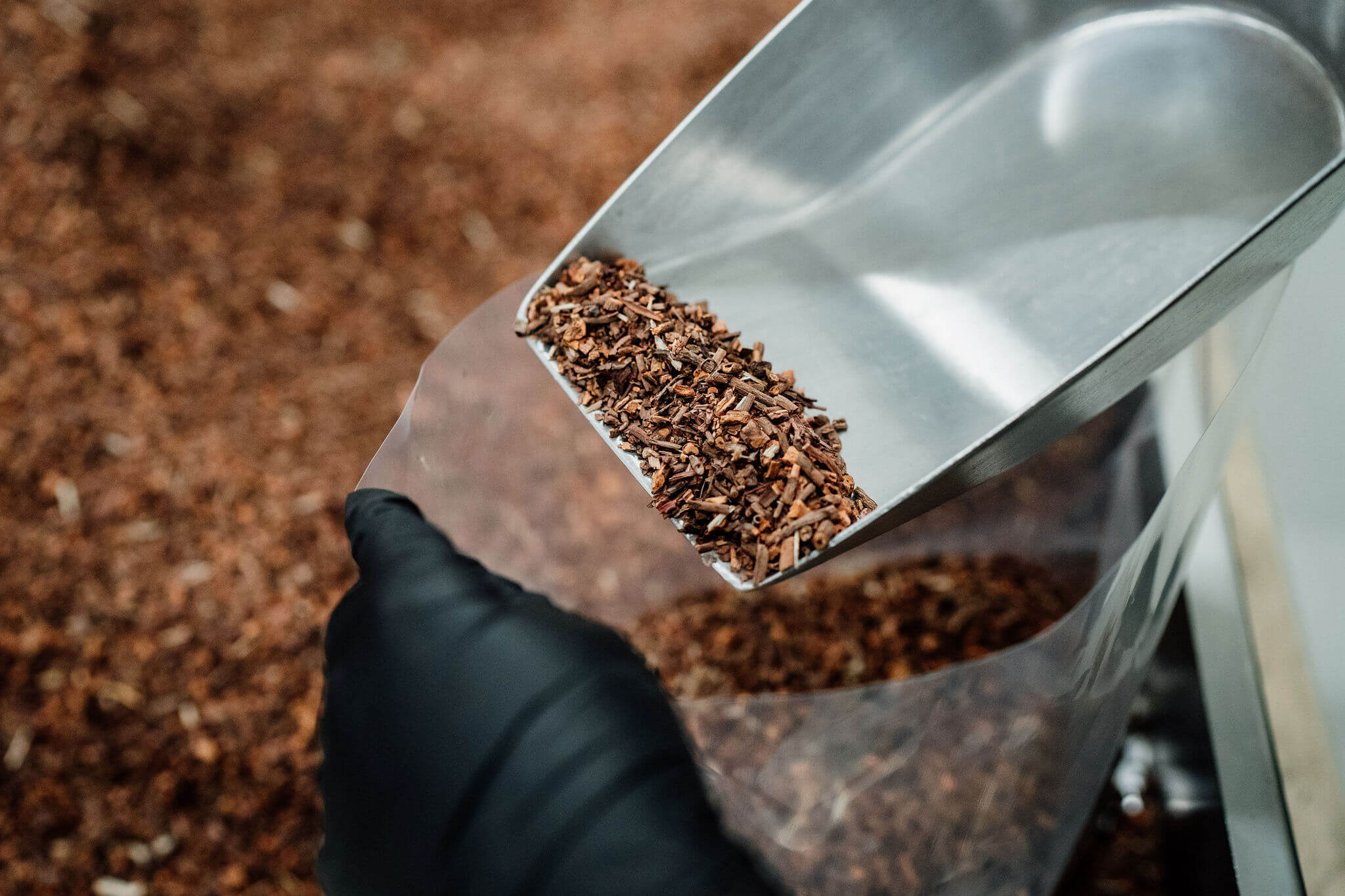
All products are sampled upon arrival, even if we have received the same batch previously. This is to ensure that our suppliers are maintaining the consistent quality of our products and to identify any errors at supplier level, such as wrong picking, mislabelling, or dispatch mistakes.
As our products are raw materials harvested at origin and subject to minimal processing, it is natural to some extent for small amounts of foreign matter to be present. To assess this, random bags are emptied into trays and manually inspected so that we have full visibility of the presence of any foreign matter and can identify any significant issues upon arrival.
Quality Control also checks that all documentation is correct and complete, including Certificates of Analysis/Conformity, batch information, specifications, batch coding, product appearance, and any customer- or product-specific intake requirements, and ensures that full traceability is maintained throughout the intake process.
Purchasing is responsible for reviewing delivery documentation, while the warehouse team verifies packaging integrity and labelling accuracy before the goods are approved for release.
Building Confidence Through Quality Assurance
For manufacturers, selecting a botanical supplier is about more than availability and price. Robust quality systems, effective traceability, risk-based testing and recognised certifications all contribute to a more resilient and reliable supply chain.
Need a Reliable Botanical Supply Partner?
Quality, traceability and consistency are critical to successful manufacturing operations. If you’re reviewing suppliers, planning future production requirements or looking for support with sourcing botanicals, herbs and spices, we’d be pleased to help.
Contact our sales team on sales@josephflach.co.uk or call on + 44 (0) 1733 371221 to discuss your requirements, request specifications or obtain a quotation.
This Month: Meet Julie, 10 Years of Dedication at Joseph Flach & Sons
Accreditations, Our Commitment to Quality and Safety Throughout Our Product Ranges
International Women’s Day Reflections from the JFS Team on Women at Work and Beyond
Looking for something else?
See more articles
